European Gaming Customs That Helped Shape The Banque Experience
16 August 2026 | 256
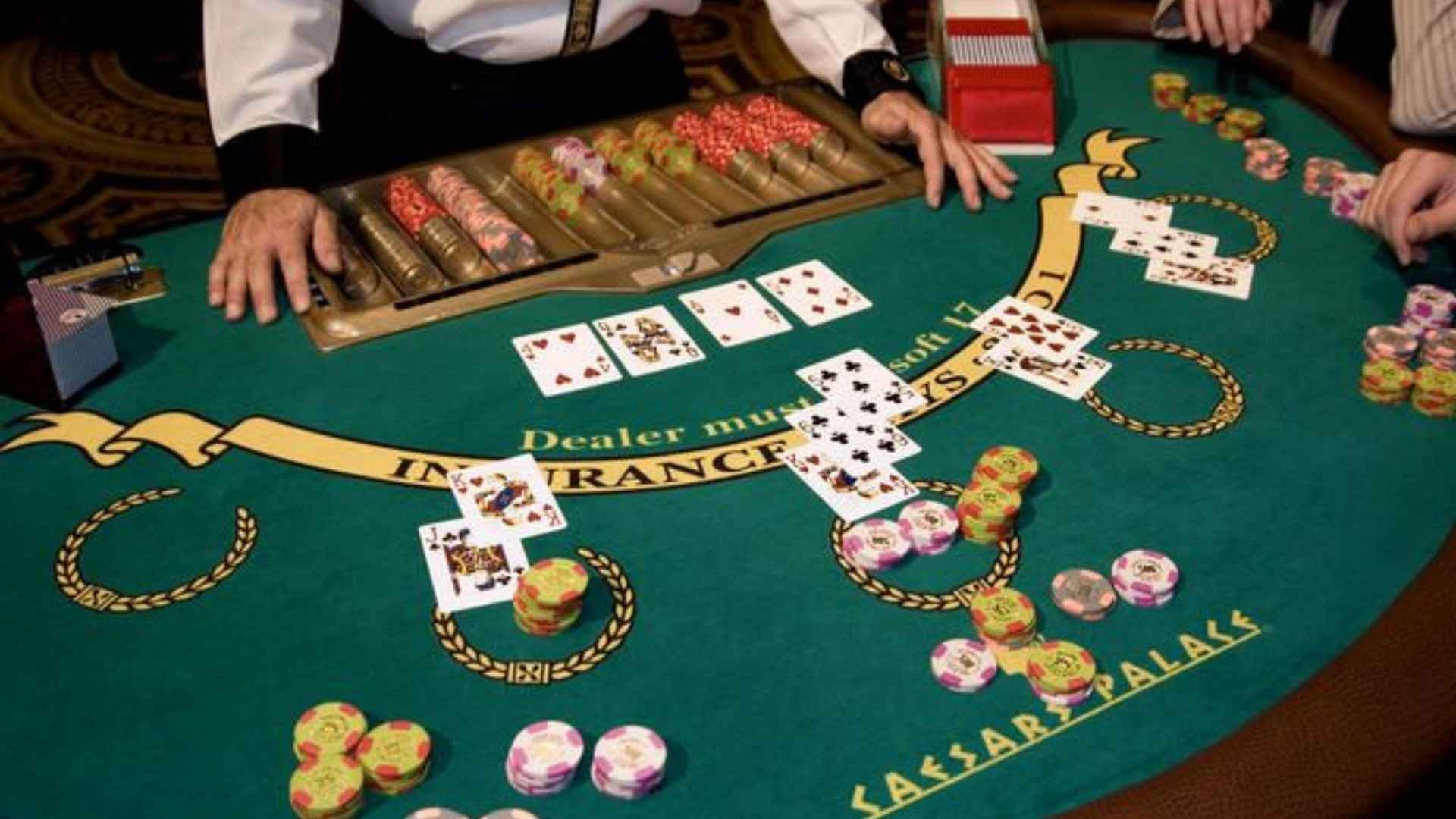
The cultural traditions of early European wagering houses played a significant role in defining the structure of modern casino table games. Long before standardized rules became the norm, regional gatherers established informal codes of conduct and institutional designs based on collective participation. Exploring how these ancient customs transformed primitive card mechanics provides critical insights into the development of high stakes communal setups.
The Multi Wing Architecture of Early Salons
In the elegant gambling facilities of the nineteenth century, physical space directly dictated the rhythm of interpersonal interaction. Unlike modern open casino layouts, historic European gaming spaces relied on massive divided wooden tables designed to isolate distinct groups of participants. This structural arrangement created two distinct sides or wings where players could independently manage their resources while remaining tied to a centralized focal point.
This design split the financial risk and observation into balanced halves, ensuring that the entire room felt connected during a live round. The central placement of the game manager allowed for efficient card distribution while maintaining a dramatic division between the opposing participants. This spatial discipline laid the groundwork for an immersive tactical environment where seating arrangements heavily influenced decision timing.
The Shared Risk of Rotating Institutional Responsibility
Traditional card customs across continental Europe routinely rejected the concept of a fixed corporate house that assumed all financial liabilities. Instead, historic rules dictates that the operational burdens and privileges of managing the table funds should shift directly among the players. This framework forced participants to transition from passive spectators into active administrators who held direct accountability for covering table wagers.
By spreading the total exposure across multiple participants, the gaming salon transformed a simple card calculation into a complex psychological battleground. Modern enthusiasts can observe the ongoing digital evolution of these interactive community table traditions by visiting a digital platform like m88 mansion to discover live gaming options. The transition into modern software platforms preserves the core objective of aiming for specific totals while automating the complex calculations originally managed by the table operators.
Decorum and the Ritual of Silent Communication
The social atmosphere of early European clubs was defined by strict codes of etiquette that minimized verbal disruptions during active play. Participants were expected to signal their intentions using subtle physical gestures or precise card placement rather than speaking aloud. This atmosphere of quiet observation allowed seasoned players to analyze the behavior and tactical adjustments of everyone sitting at the table layout.
This emphasis on rigid behavioral standards transformed competitive card games from basic pastimes into sophisticated social rituals reserved for deep focus. The legacy of these unwritten customs remains influential because it prioritizing logical observation over emotional impulses during every round. Recognizing how these ancestral protocols shaped modern game structures allows current enthusiasts to appreciate the historical depth embedded within contemporary casino environments.